
 By Claire Brown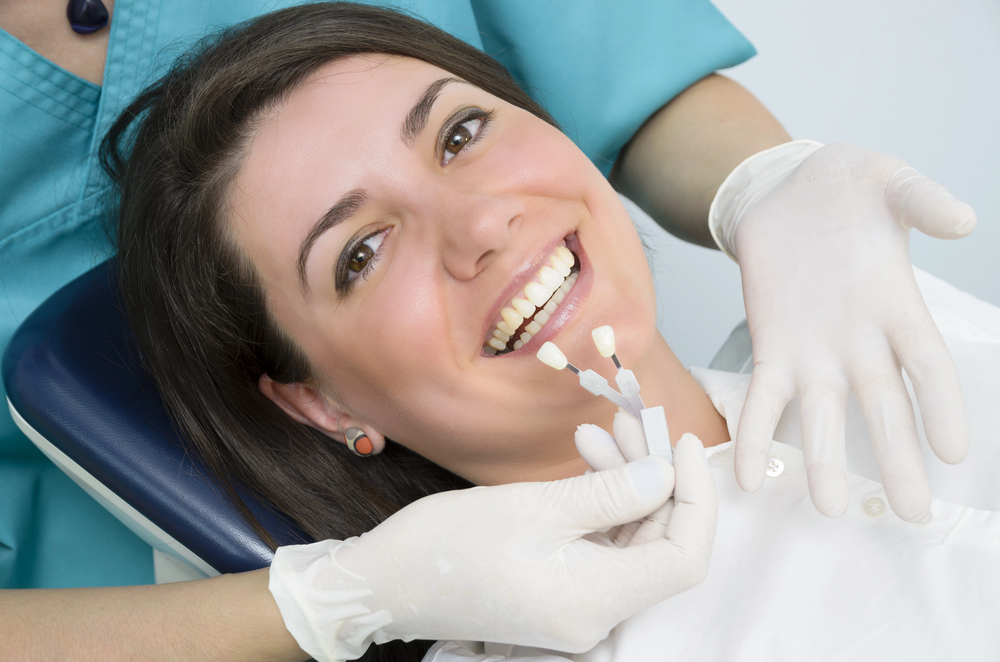
In the evolving landscape of fitness culture, the concept of personal branding has moved far beyond physical strength and endurance. Today, the “fitness lifestyle” is a curated identity—one that blends aesthetics, discipline, and aspirational storytelling. At the centre of this visual narrative lies an often-overlooked element: the smile. Increasingly, porcelain veneers’ are shaping not just dental outcomes, but the broader perception of personal image within the fitness industry, particularly in Australia’s highly competitive wellness market.
Fitness branding thrives on visual credibility. Sculpted physiques, clean nutrition, and consistent routines are no longer enough to capture attention. Audiences scrolling through social media expect a polished, cohesive image that reflects vitality and confidence. In this context, a bright, symmetrical smile becomes a subtle yet powerful signal. It communicates health, discipline, and attention to detail—values that align seamlessly with fitness ideals.
The rise of social media has accelerated this shift. Platforms like Instagram and TikTok reward visual clarity and engagement, where first impressions are formed in milliseconds. For fitness influencers, personal trainers, and even everyday gym enthusiasts building a digital presence, appearance is both a personal asset and a professional tool. Dental aesthetics, once considered a private concern, now play a public role in shaping online identity.
In Australia, where fitness culture intersects with outdoor living and a strong emphasis on wellbeing, the demand for aesthetic dentistry has grown steadily. The appeal of porcelain veneers’ lies in their ability to deliver immediate, transformative results. Unlike orthodontic treatments that require time and patience, veneers offer a rapid enhancement—aligning with the fast-paced expectations of digital branding.
However, the influence of porcelain veneers extends beyond surface-level aesthetics. A refined smile can alter posture, facial expression, and even communication style. Individuals often report increased confidence, which translates into more engaging content, stronger personal narratives, and a greater willingness to appear on camera. In the fitness space, where authenticity and relatability are key, this confidence can significantly impact audience connection.
From an Australian SEO perspective, the integration of dental aesthetics into fitness branding reflects a broader trend in search behaviour. Users are increasingly seeking holistic solutions—queries that combine fitness, beauty, and lifestyle. Phrases like “fitness influencer smile makeover Australia” or “cosmetic dentistry for personal branding” illustrate this convergence. Content that addresses these intersections is more likely to capture organic traffic and resonate with a diverse audience.
Yet, this trend also raises important questions about authenticity. As fitness branding becomes more curated, the line between genuine wellbeing and constructed image can blur. While porcelain veneers’ enhance appearance, they do not replace the foundational elements of health: balanced nutrition, consistent training, and mental resilience. The challenge for individuals and brands is to integrate aesthetic enhancements without compromising authenticity.
Interestingly, the narrative around veneers is shifting from vanity to empowerment. In the past, cosmetic dentistry was often associated with superficiality. Today, it is increasingly framed as a form of self-investment—akin to hiring a personal trainer or adopting a structured fitness program. This reframing aligns with the broader ethos of the fitness lifestyle: continuous improvement and intentional living.
The role of social media in this transformation cannot be overstated. Influencers openly discussing their dental journeys contribute to transparency and normalisation. Before-and-after images, treatment insights, and personal testimonials create a sense of accessibility. For Australian audiences, this openness fosters trust and encourages informed decision-making.
From a branding perspective, the synergy between fitness and dental aesthetics offers strategic opportunities. Fitness professionals can collaborate with dental clinics, creating cross-industry partnerships that enhance credibility and reach. For example, a personal trainer documenting their smile transformation alongside a fitness journey creates a compelling, multidimensional narrative. This approach not only diversifies content but also reinforces the idea that health and appearance are interconnected.
Moreover, the visual consistency achieved through veneers complements the high-definition nature of modern content creation. With the prevalence of 4K video and professional photography, minor imperfections become more noticeable. A refined smile ensures that visual content aligns with the overall brand aesthetic, maintaining a cohesive and polished image.
However, it is essential to approach this trend with nuance. Not every individual needs or desires veneers, and the pressure to conform to a specific aesthetic standard can be counterproductive. The fitness industry, already prone to unrealistic expectations, must balance aspiration with inclusivity. Celebrating diverse smiles and promoting oral health alongside cosmetic options can create a more balanced narrative.
The influence of porcelain veneers’ on personal image within fitness lifestyle branding reflects a broader cultural shift. As social media continues to shape perceptions of health and success, the integration of dental aesthetics into fitness narratives is likely to grow. For Australian audiences, this trend underscores the importance of holistic wellbeing—where physical fitness, confidence, and self-presentation converge.
Ultimately, the most compelling fitness brands are those that combine visual appeal with genuine substance. A perfect smile may capture attention, but it is authenticity, consistency, and purpose that sustain it.