
 By Claire Brown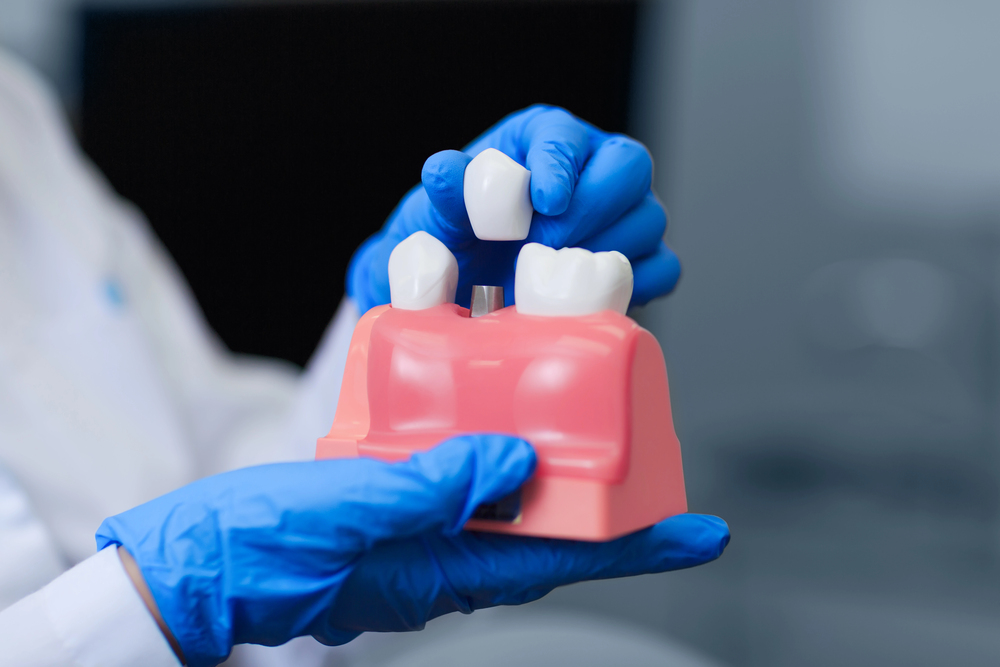
In Australia’s evolving health landscape, the line between medical necessity and lifestyle optimisation is rapidly dissolving. Nowhere is this more evident than in the convergence of advanced dentistry and modern wellness culture. Dental implants—once viewed as a purely restorative solution—are increasingly being framed within the broader narrative of performance, vitality, and investing in longevity. For Australians who prioritise fitness, nutrition, and preventive care, oral health is no longer an isolated concern but a critical pillar of whole-body wellbeing.
At the centre of this shift is a growing awareness that the mouth is not separate from the body—it is an integral system influencing everything from cardiovascular health to athletic performance. Research continues to highlight links between periodontal disease and systemic conditions such as heart disease and diabetes. For fitness-conscious individuals, this connection reframes oral care as part of a holistic strategy for maintaining peak physical condition.
Dental implants exemplify this integration. Unlike traditional dentures, implants are anchored directly into the jawbone, mimicking the structure and function of natural teeth. This stability does more than restore aesthetics; it supports proper chewing function, enabling a nutrient-rich diet that aligns with fitness goals. High-protein foods, fibrous vegetables, and whole grains—staples of performance nutrition—require strong, reliable dentition. In this context, addressing concerns around dental implant cost’ becomes less about short-term expense and more about long-term value.
Australia’s wellness movement has embraced this perspective. From boutique fitness studios in Sydney to health retreats along the Gold Coast, the emphasis is increasingly on sustainable health practices. Dental implants fit naturally into this ethos. They are not a quick fix but a durable solution designed to last decades with proper care. This longevity resonates with individuals who already invest in personal trainers, nutrition plans, and recovery therapies. The logic is simple: if the body is treated as a long-term asset, oral health must be included in that equation.
Another dimension of this trend is the psychological impact of dental restoration. Confidence plays a significant role in both social and professional environments, and it is closely tied to overall wellbeing. A complete, natural-looking smile can influence self-perception, motivation, and even adherence to fitness routines. When individuals feel confident, they are more likely to engage in social activities, pursue goals, and maintain consistent healthy habits. In this way, dental implants contribute not just to physical health but to mental resilience—a key component of modern wellness.
Technological advancements have also aligned dental implants with the expectations of today’s health-conscious Australians. Digital imaging, guided implant surgery, and biocompatible materials have improved precision, reduced recovery times, and enhanced outcomes. These innovations mirror trends in the fitness industry, where data-driven approaches and personalised programs dominate. Patients can now experience a level of customisation in dentistry that parallels tailored workout plans or nutrition coaching.
Importantly, the conversation around dental implant cost’ is evolving alongside these innovations. While implants may require a higher upfront investment compared to other options, their durability often results in lower long-term maintenance costs. This aligns with the principle of investing in longevity—a concept deeply embedded in Australia’s wellness culture. Rather than opting for temporary solutions that require frequent replacement, many Australians are choosing treatments that offer sustained benefits over time.
This mindset is particularly relevant in an ageing population that remains active well into later life. Baby boomers and older millennials are redefining what it means to age, prioritising mobility, appearance, and quality of life. Dental implants support this vision by preserving jawbone density, preventing facial sagging, and maintaining functional independence. For individuals who see ageing as an opportunity rather than a limitation, implants are a strategic choice.
From an SEO perspective, the intersection of dental implants and wellness trends reflects broader search behaviours in Australia. Users are increasingly looking for information that connects different aspects of health—queries that combine dental care with fitness, nutrition, and longevity are on the rise. This presents an opportunity for dental practices to position themselves not just as providers of clinical services but as partners in holistic health journeys.
Content that addresses these intersections—explaining how dental implants support active lifestyles, or how oral health impacts physical performance—resonates strongly with modern audiences. It also builds trust by demonstrating an understanding of the patient’s broader goals. In a competitive digital landscape, this kind of integrated messaging can differentiate a practice and attract a more engaged, health-conscious clientele.
Ultimately, the convergence of dental implants and wellness trends signals a deeper cultural shift. Health is no longer compartmentalised; it is a dynamic, interconnected system where each decision contributes to overall vitality. For Australians committed to living well, the choice to pursue dental implants is not merely about restoring a smile—it is about aligning oral health with a comprehensive vision of wellbeing.
As the conversation continues to evolve, one thing becomes clear: the future of dentistry lies not just in treating problems but in enhancing lives. And in that future, dental implants stand as a powerful example of how advanced technology and wellness philosophy can come together to support a healthier, more confident, and longer life.