
 By Claire Brown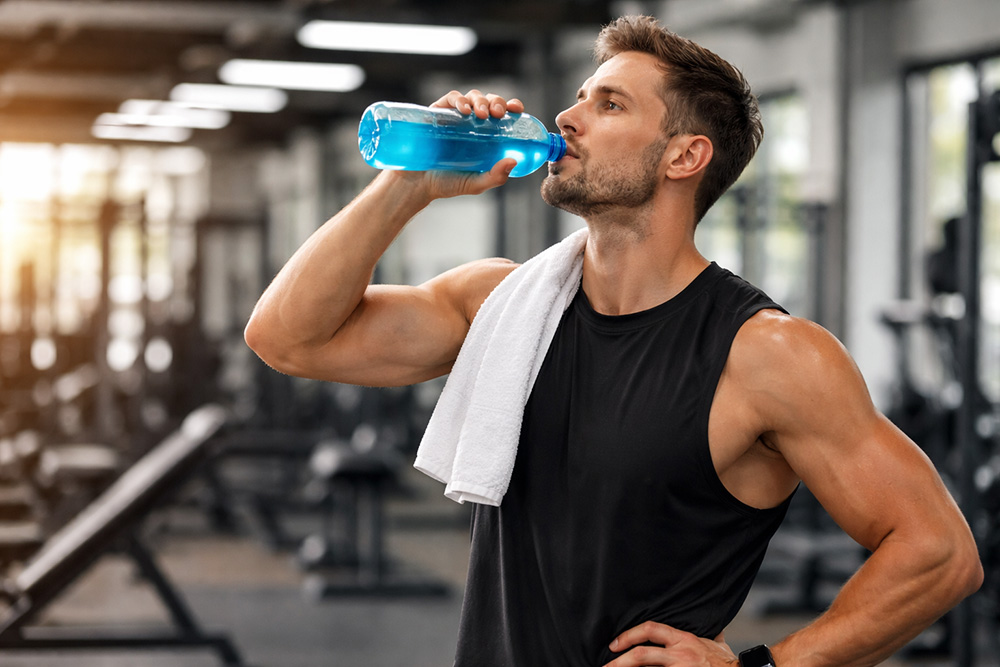
In Australia’s thriving fitness culture—where early morning coastal runs, high-intensity interval training, and weekend triathlons are woven into daily life—sports drinks have become almost symbolic of discipline and performance. Marketed as essential tools for hydration and recovery, these brightly coloured beverages promise electrolyte balance and endurance. Yet beneath their functional appeal lies a largely overlooked consequence: their profound impact on oral health. For many Australians, this is a wake-up call worth heeding.
At the heart of the issue is a paradox. Sports drinks are consumed to improve physical health, but their chemical composition often undermines dental wellbeing. Most sports drinks are acidic, with pH levels sometimes comparable to soft drinks. This acidity plays a direct role in enamel erosion—the gradual wearing away of the tooth’s protective outer layer. Unlike other tissues in the body, enamel does not regenerate. Once it is lost, the damage is permanent, leaving teeth vulnerable to sensitivity, decay, and aesthetic changes.
Several experienced dentists have increasingly observed a pattern among fitness enthusiasts: individuals with otherwise healthy lifestyles presenting with signs of enamel erosion and dental decay. It’s not uncommon for patients who avoid sugary snacks and maintain regular brushing habits to still experience dental issues. The culprit, in many cases, is frequent exposure to sports drinks. Sipped over long workouts or consumed multiple times a day, these beverages create a sustained acidic environment in the mouth, amplifying their harmful effects.
Beyond acidity, sugar content compounds the problem. While some sports drinks are marketed as “low sugar” or “sugar-free,” many still contain fermentable carbohydrates. Oral bacteria metabolise these sugars, producing acids that further attack enamel. This dual assault—chemical erosion from acidity and bacterial activity from sugar—creates a perfect storm for dental damage.
Interestingly, the way sports drinks are consumed also matters. Fitness routines often involve sipping rather than drinking quickly, extending the duration of exposure. Combined with reduced saliva flow during intense exercise—a natural consequence of dehydration—the mouth’s ability to neutralise acids is compromised. Saliva plays a crucial role in remineralising enamel and washing away harmful substances. When its flow is diminished, teeth are left defenceless.
There is also a cultural dimension to consider. In Australia, where outdoor sports and active living are deeply embedded in identity, sports drinks are often perceived as harmless or even beneficial beyond their intended use. They are frequently consumed casually, outside of athletic contexts, including by children and teenagers. This normalisation obscures their potential risks and contributes to widespread overconsumption.
The conversation around oral care products adds another layer of complexity. While many individuals turn to oral hygiene solutions to counteract the effects of their diet, not all products are as benign as they seem. In fact, the idea that “mouthwash can actually be quite dangerous” is gaining traction in dental discussions. Some formulations contain high levels of alcohol or acidic components that can irritate oral tissues and disrupt the natural balance of the oral microbiome. When used excessively or immediately after consuming acidic drinks, certain mouthwashes may even exacerbate enamel erosion rather than prevent it.
This challenges a common assumption: that more oral hygiene equates to better oral health. Australian dentists are increasingly advocating for a more nuanced approach. Timing, product selection, and technique all matter. For example, brushing immediately after consuming a sports drink can be counterproductive, as enamel softened by acid is more susceptible to abrasion. Waiting at least 30 minutes allows saliva to begin the remineralisation process.
So, what does a balanced approach look like for fitness-conscious Australians?
Firstly, awareness is key. Understanding that sports drinks are not everyday beverages but targeted tools for specific situations—such as prolonged, high-intensity exercise—can significantly reduce unnecessary exposure. For most workouts under an hour, water remains the best hydration option.
Secondly, modifying consumption habits can make a meaningful difference. Drinking sports beverages in one sitting rather than sipping over time, using a straw to minimise contact with teeth, and rinsing the mouth with water afterwards are simple yet effective strategies.
Thirdly, regular dental check-ups play a critical role. Dentists can identify early signs of erosion and provide tailored advice, including the use of fluoride treatments or remineralising agents to strengthen enamel. In the Australian context, where preventive healthcare is strongly emphasised, integrating dental visits into one’s fitness routine is both practical and beneficial.
Finally, rethinking oral care routines is essential. Choosing alcohol-free, pH-neutral mouthwashes and using them appropriately can help maintain oral balance. It’s not about abandoning these products but using them with informed intention.
The broader implication is clear: health is holistic. The pursuit of physical fitness should not come at the expense of oral health. As Australians continue to embrace active lifestyles, there is an opportunity to align fitness practices with comprehensive wellbeing. This means questioning assumptions, scrutinising everyday habits, and recognising that even seemingly beneficial choices can carry hidden costs.
In the end, the story of sports drinks and dental health is not one of alarm but of awareness. It invites a more sophisticated understanding of how interconnected our health behaviours truly are. By bridging the gap between fitness and oral care, Australians can ensure that their commitment to wellbeing is as strong as the smiles that reflect it.